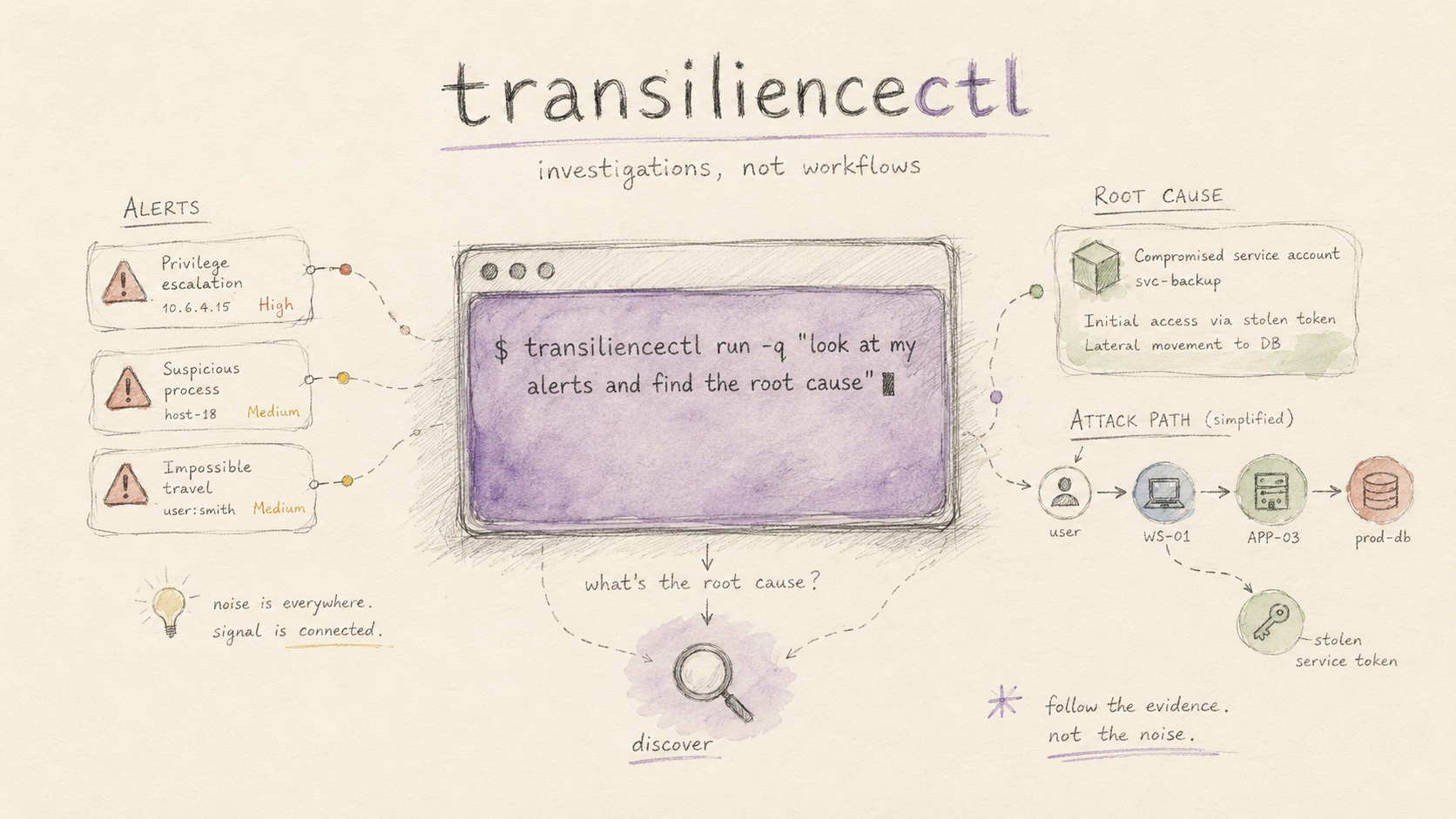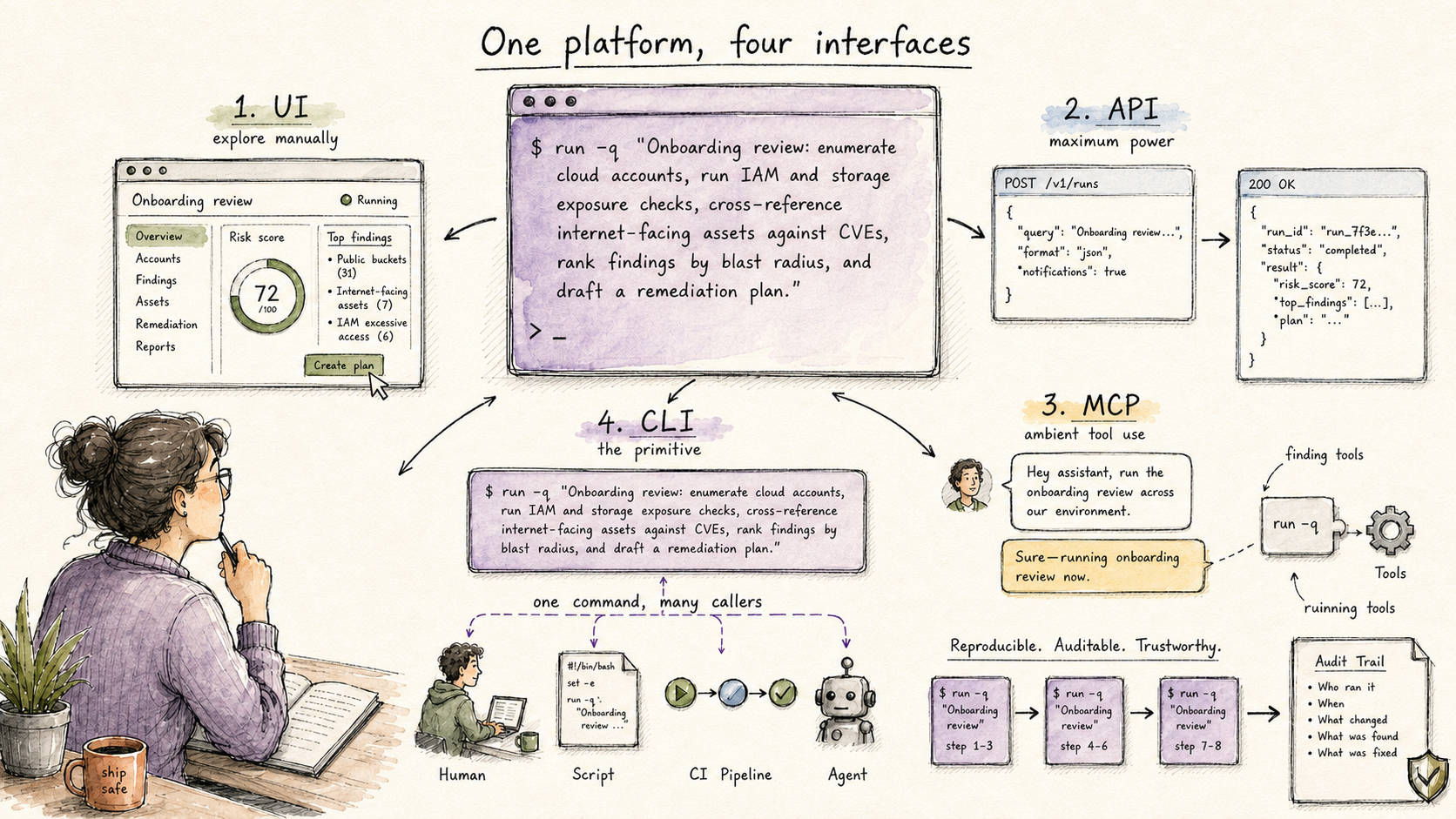
Part 1 focused on understanding and interaction.
Part 2 focuses on execution and leadership leverage.
The defining shift in next-generation security products is this: they should not stop at insight. They should move work toward completion while keeping humans at the judgment layer.
That shift appears clearly in three characteristics: Done, Not Doing. Lead, Don't Firefight. Decide, Don't Guess.
1) Done, Not Doing
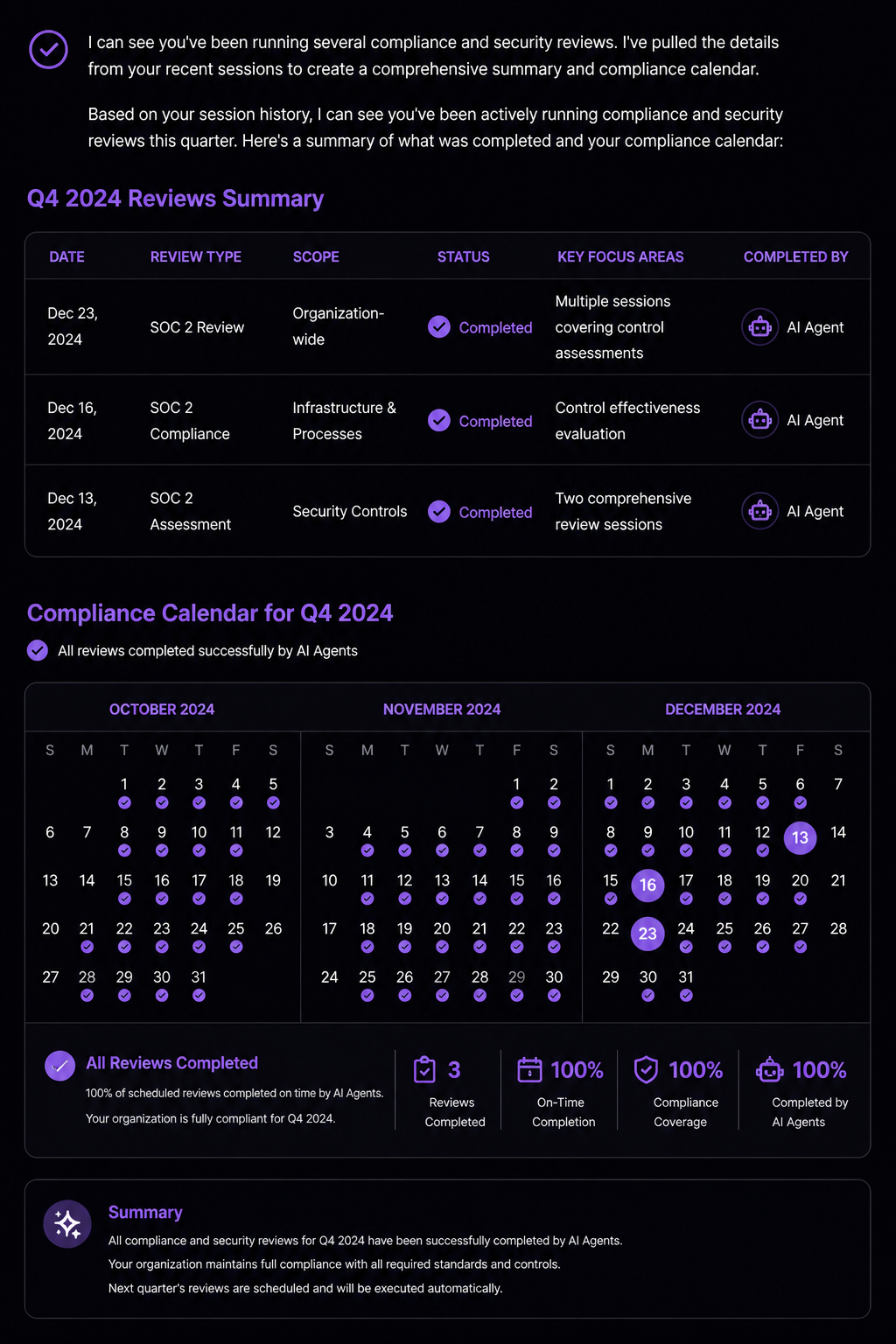
Traditional security operations are periodic and manually assembled. Work spikes before audits, reviews, and executive reporting.
A next-generation platform should invert that pattern.
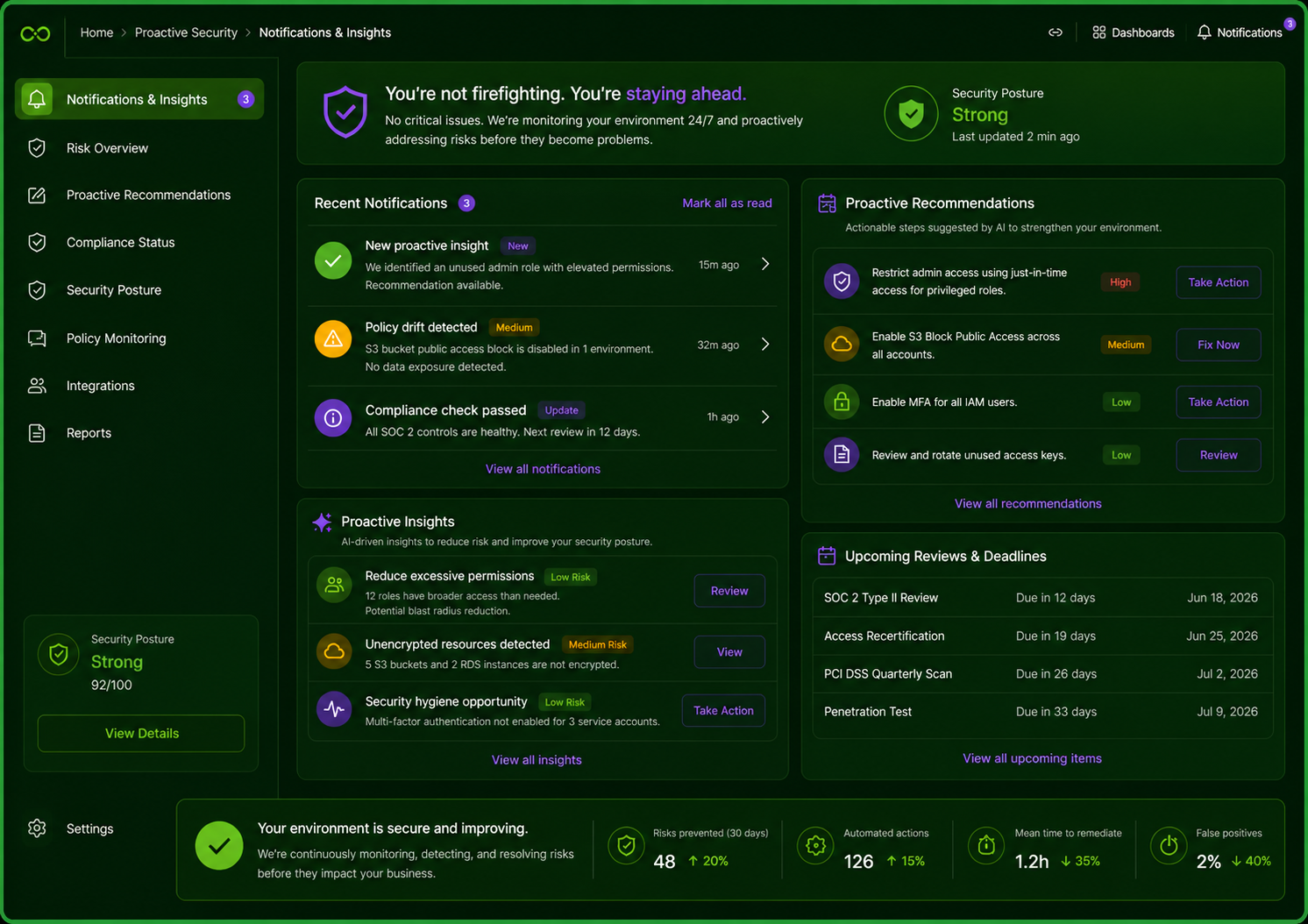
It should execute continuously in the background so that when review time arrives, teams are presenting completed work rather than producing it under pressure.
Core characteristic: continuous completion loops instead of calendar-driven scramble.
2) Lead, Don't Firefight
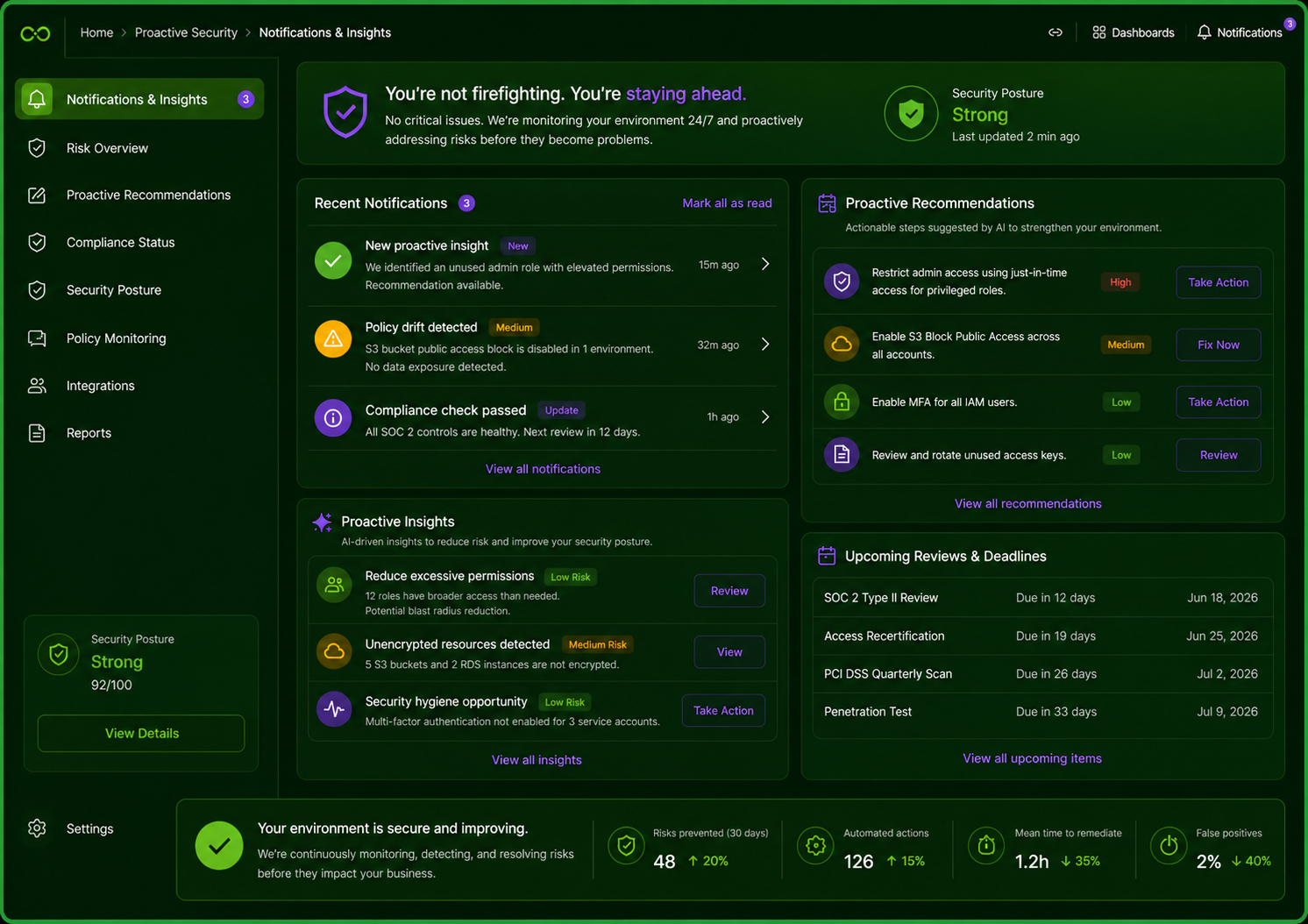
Leadership capacity is often consumed by operational interruptions: triage review, escalation routing, and urgent interpretation of noisy findings.
A modern security product should absorb repeatable operational toil and escalate only what actually needs judgment.
That allows leaders to spend time on:
- risk tradeoffs
- organizational alignment
- sequencing remediation by business impact
Core characteristic: human attention reserved for high-leverage decisions.
3) Decide, Don't Guess
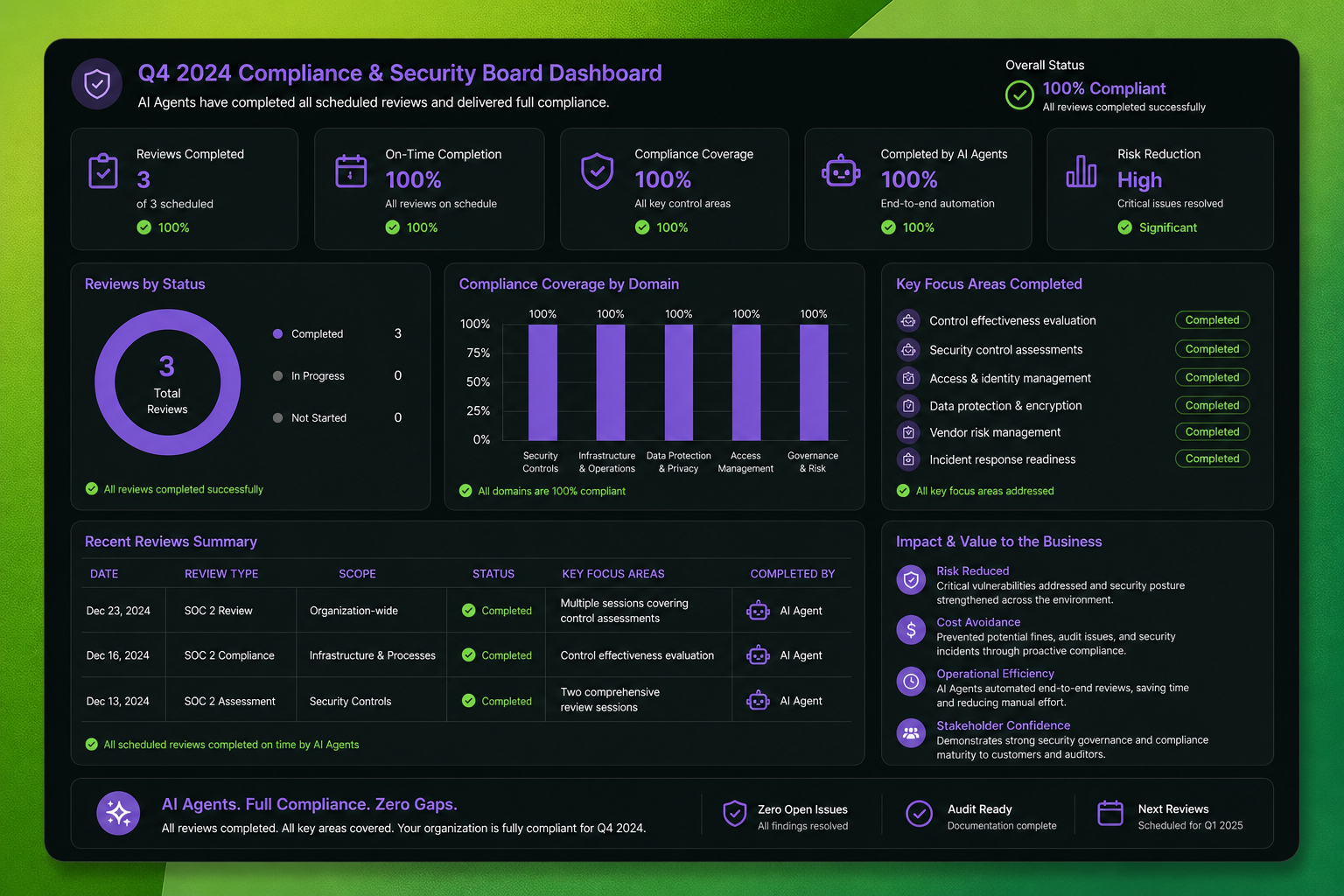
Most security uncertainty is not lack of data. It is lack of decision-grade synthesis.
Next-generation products should produce outputs that are directly usable in executive and board conversations:
- what changed in exposure
- what was remediated
- what remains high risk
- what decision is required now
Core characteristic: explainable prioritization tied to action and outcomes.
The Part 2 product test
To evaluate whether a platform is truly next generation, ask:
- Does it move work to done continuously, or just improve visibility?
- Does it protect leadership focus from low-value operational churn?
- Does it generate clear, defensible decisions for stakeholders?
The products that win over the next decade will be the ones that combine automation depth with human judgment clarity.
That is the standard: not better dashboards, but better outcomes.