Auditor Fatigue Is Real and It's Affecting Your Results
I read a SOC 2 Type II report a few months back. Mid-market SaaS company, healthcare adjacent, getting ready for a hospital procurement cycle. The CTO sent it over because he wanted a second opinion before handing it to the buyer.
With the first glimpse of the report, I was sure that the control descriptions were very generic, the testing language was lifted almost word by word from another report (something that I'd seen the previous quarter for a completely different company in a different vertical). There were findings that made no sense for the environment described. The auditor had clearly run a template through a different client's name and shipped it.
The CTO asked me what I thought. I told him the truth. The report was technically clean; however, the audit that the report described probably never really happened, the controls were never tested, and the objective of the audit was diluted by the form the report claimed.
He went quiet for a minute. Then he said, "yeah, that tracks". His team had spent maybe six hours in walk-throughs. The auditor had asked for evidence on something like a third of the controls in scope. He'd thought it was efficient. It wasn't efficient. It was phoned in.
That's the post.
The thing nobody in the industry wants to say out loud
Audit quality is dropping, or to put it more accurately, it has already dropped (in most cases). People in the industry know. The senior assessors I talk to know. The buyers feel it but mostly don't have the vocabulary for what they're experiencing, so they call it "the audit was kind of light" or "the auditor wasn't very technical." Those are just the symptoms. The thing underneath is structural and it's getting worse.
Nobody writes about it because the incentive structure doesn't allow it. Audit firms aren't going to publish about declining audit quality. Compliance automation vendors talk about evidence collection but not about who reviews the evidence on the other side. So, buyers keep walking into bad engagements without knowing what to look for.
Let me try to actually name what's going on.
Three different things, all called "fatigue"
When people in this industry say auditor fatigue, they're usually pointing at one of three different problems and treating them as the same thing. They're not the same. They have different causes and different fixes.
First. Individual auditor overload. The senior on your engagement is running four assessments concurrently and reviewing three more. By month nine of the calendar year, they're not reading evidence carefully. They're skimming for the things they expect to see and signing off when nothing screams. This is real and it's getting worse every year. Big 4 utilization targets sit around seventy to eighty percent billable. That math doesn't leave room for thinking. Some auditors have access to automation or a GRC platform, but most of those are not mature; they are glorified spreadsheets and do not really help with control validation.
Second. The pipeline is broken. There aren't enough experienced auditors entering the field. Based on my experience, most auditors do not understand the technologies, cloud, AI, code, etc. The certifications and courses available are mostly technical jargon and theory, and do not really help with the actual business or implementation. The newer auditors have skill-gap issues; meanwhile, the senior bench from the early 2010s is aging out, retiring, or moving to industry roles, and is not keeping pace with industry changes and new technology adoption. So you've got more demand for audits than ever, fewer experienced practitioners than the demand requires, and the gap is filled by junior staff doing senior work.
Third. The audit business model rewards volume. Fixed-fee engagements with aggressive timelines mean firms have margin pressure to ship reports and move on. Detailed findings take time. Time costs margin. Even well-intentioned firms feel this pressure quarter over quarter. The economics push toward thin reports.
These three together produce what your CTO experiences as "the audit was kind of a paper exercise". It's not auditor fatigue in the simple sense of one tired person. It's a system producing fatigued outcomes.
How you spot a phoned-in audit
This is the section I hope people screenshot.
Generic findings that don't reference your specific environment. If your SOC 2 report describes "logical access controls" without naming your IAM, your cloud, or anything specific to your stack, that's a tell. Real findings cite specific systems, specific roles, specific evidence files reviewed, sample size, and what was observed.
Walk-through interviews that get compressed. If your auditor is not doing walk-throughs across all of CC6, they're not walking anything through. They're checking a box that says interview was conducted.
Evidence requests that show no awareness of prior submissions. You sent a network diagram in week one. Week six the auditor asks for a network diagram. They didn't read what you sent. Or they're rotating staff without handoff.
Limited follow-up questions on complex controls.
There are certain areas of audit which are complex and require follow-up discussion: for example, encryption and key management, incident response, and network architecture review. If the auditor accepts the first artifact you send for these without a single follow-up, they either didn't review it or they don't know what they're looking at.
Reports with copy-paste language. You can sometimes catch this if you compare against publicly available SOC 2 reports from other companies the same firm audited. The control descriptions and testing procedures will match verbatim. That's not a sign of efficiency. That's a sign of templating without engagement.
The one that bothers me most. The auditor doesn't ask about anything that isn't in their standard checklist. Real audit work means noticing the thing in your environment that doesn't fit the template and asking about it. If your environment has anything genuinely unusual (and most environments do) and the auditor never noticed, they didn't actually look.
If you're seeing two or three of these in the same engagement, you're getting a phoned-in audit.
What this is actually costing you
The temptation is to think a thin audit is a feature. Less work for your team, same certificate, same buyer outcome. Sounds appealing.
Here's the problem. A thin audit means your control failures stay invisible until something else surfaces them. Usually that something else is a customer's security questionnaire that asks a question your auditor never thought to ask. Or a breach. Or a regulator.
I've watched this happen multiple times. Company gets a clean SOC 2 Type II. Two quarters later, an enterprise customer's security team runs their own assessment and finds many control failures the auditor missed. The customer doesn't just walk away. They tell their procurement network. The clean Type II report becomes worse than no report because it's now evidence of a security program that can't even catch its own gaps.
There's a more subtle cost. Your internal team starts treating audits as theatre. If the audit is shallow, your engineers learn that compliance is a paperwork exercise that doesn't reflect real security work. That cultural rot is hard to reverse later when you genuinely need engineering to take a finding seriously.
The clean report doesn't help you. It helps you for one sales cycle. Then it costs you for the next several years.
How to vet the human, not the firm
Most buyers negotiate audit engagements on fee and timeline. Those are the wrong levers to pull!
The right lever is staffing and methodology. Specifically, these questions, before you sign the SOW.
Who is the lead assessor on this engagement. Get a name. Get tenure at the firm. Get their assessor history (PCI lookups for QSAs are public, ISO 27001 lead auditor records are queryable in most jurisdictions).
Who will review the report before it gets issued. Ask what their review process looks like. If it's "the partner signs off after the senior hands it up," that's not review. That's notarization.
How do you manage your audit workload? Do you have backend tools or technology to support you?
What does the kick-off meeting actually cover. A real kickoff is not a half-hour of introductions. It's a substantive scoping conversation where the assessor demonstrates they've read your prior reports and have specific questions about your environment. If you're getting a generic kickoff deck, set the expectation early or walk.
These questions, asked seriously before you sign, will filter out most of the bad engagements. Firms that have good answers will give them. Firms that don't will deflect. Trust the deflection.
A genuinely uncomfortable opinion
Here's one I'll commit to. Big 4 audit firms are usually the wrong choice for mid-market SaaS audits.
The economics don't work for them at the mid-market price point. To make the engagement profitable, they staff it with juniors and bill against utilization targets that don't allow for senior depth. You're paying premium fees and getting graduate-level work.
Boutique QSA and SOC 2 firms, run by partners who are actually the assessors, often produce better work at the mid-market level. The partner has skin in the engagement. They have professional reputation tied to your specific report. They're not optimizing utilization across thirty concurrent jobs.
This is also a buyer problem
I want to be honest. Some of what gets called auditor fatigue is also buyer fatigue, and writing a post that only blames auditors would be one-sided.
Buyers who treat compliance as procurement theatre make audits worse. If your team doesn't engage with findings, doesn't take observations seriously, pushes back on everything as a negotiation rather than as a quality conversation, hires the cheapest firm available and then complains about quality, you are part of the system that produces phoned-in audits.
The audit relationship is two-sided. A serious assessor with a serious client produces a serious audit. A fatigued assessor with a checkbox client produces a paper exercise. Most engagements are somewhere in the middle, and where exactly they fall depends on both sides showing up.
If you want better audits, also ask whether your team is showing up to be audited or showing up to get a certificate. The answer matters.
Where this leaves you
If you're a CTO or head of GRC sitting with a clean audit report, ask yourself one question. Did the audit find anything that surprised you. If the answer is no, either your security program is genuinely excellent, or your audit was thin. Probably the latter, statistically. Find out which.
If you're scoping a new engagement, take the staffing question seriously. Get the names. Ask the awkward questions. Walk away from firms that won't answer them.
If you're inside an audit engagement that feels off, push back. You have more leverage than you think.
The compliance industry has a quality problem. Buyers who can name it are the ones who get better audits.
What are we trying to solve
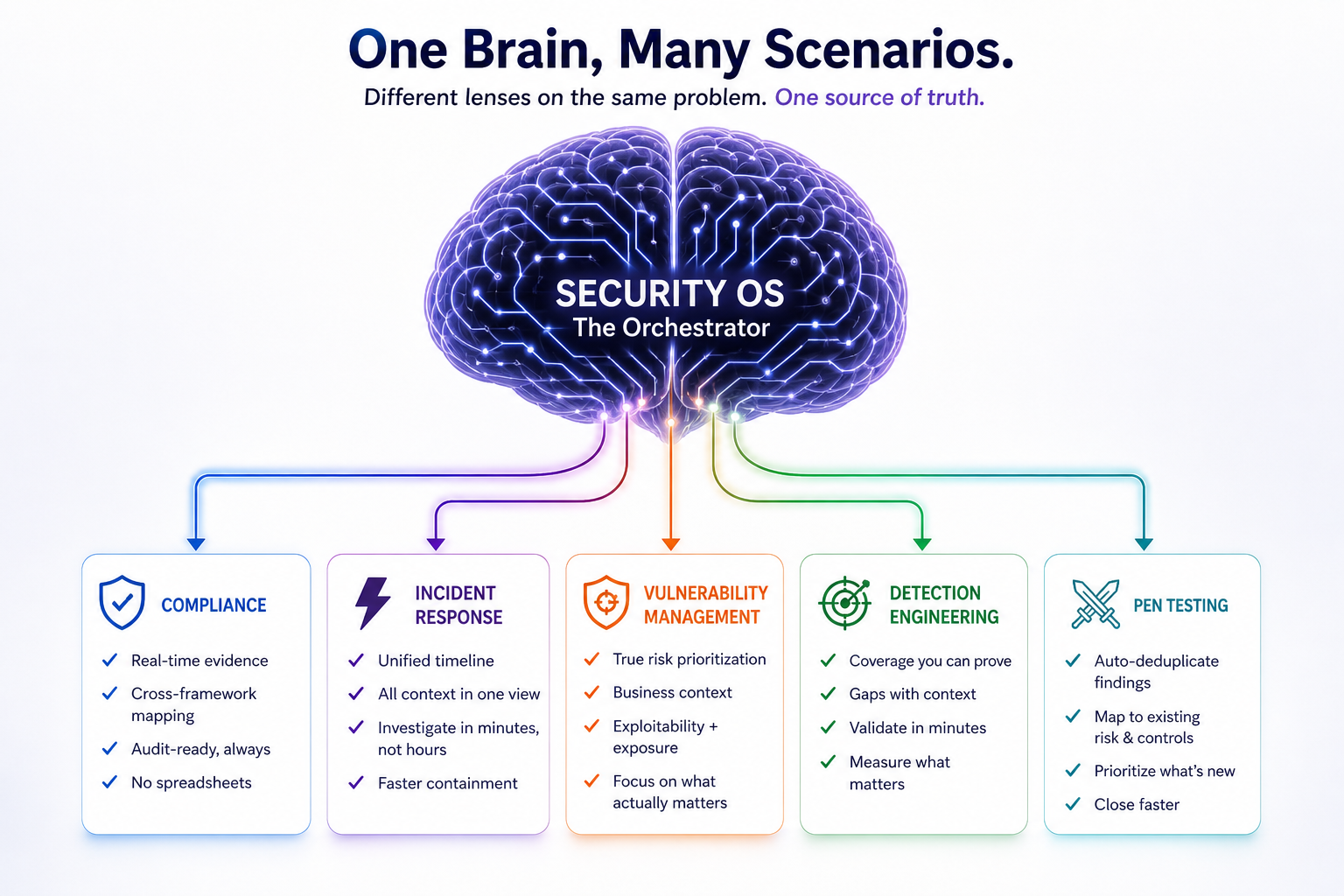
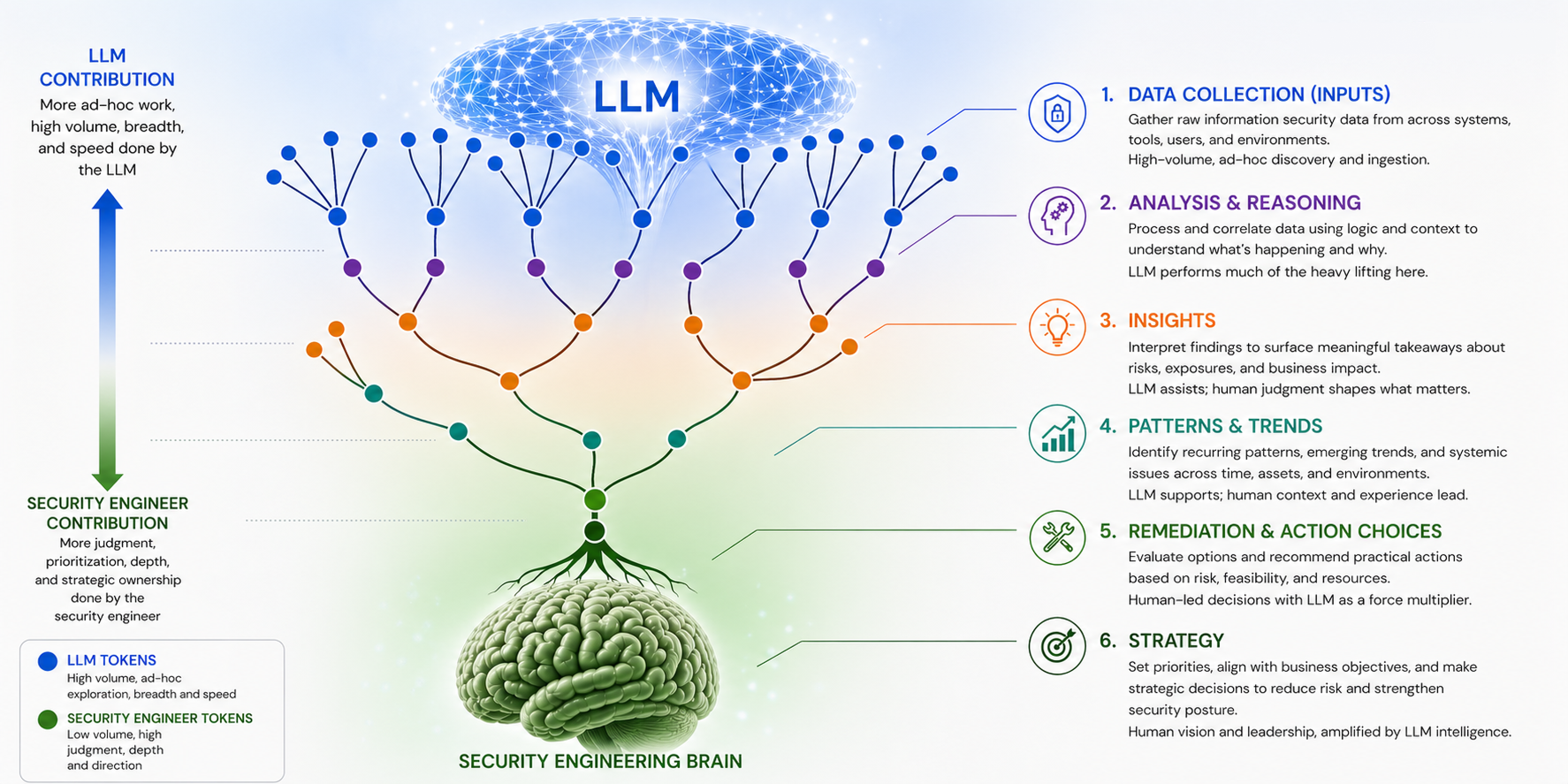
This is the gap we are trying to close at Transilience.AI. The platform handles the evidence-heavy work that's currently eating senior assessor hours, continuous collection, control mapping, drift detection across the audit window, so the human auditor on your engagement gets their time back for the work that actually requires judgment. We're not trying to take humans out of the audit loop. We're trying to give them back the hours that templated evidence handling steals from them, so the senior on your engagement is actually senior when it matters. Better evidence, reviewed by people who have time to think, producing audits that catch what a phoned-in engagement misses. That's the model.