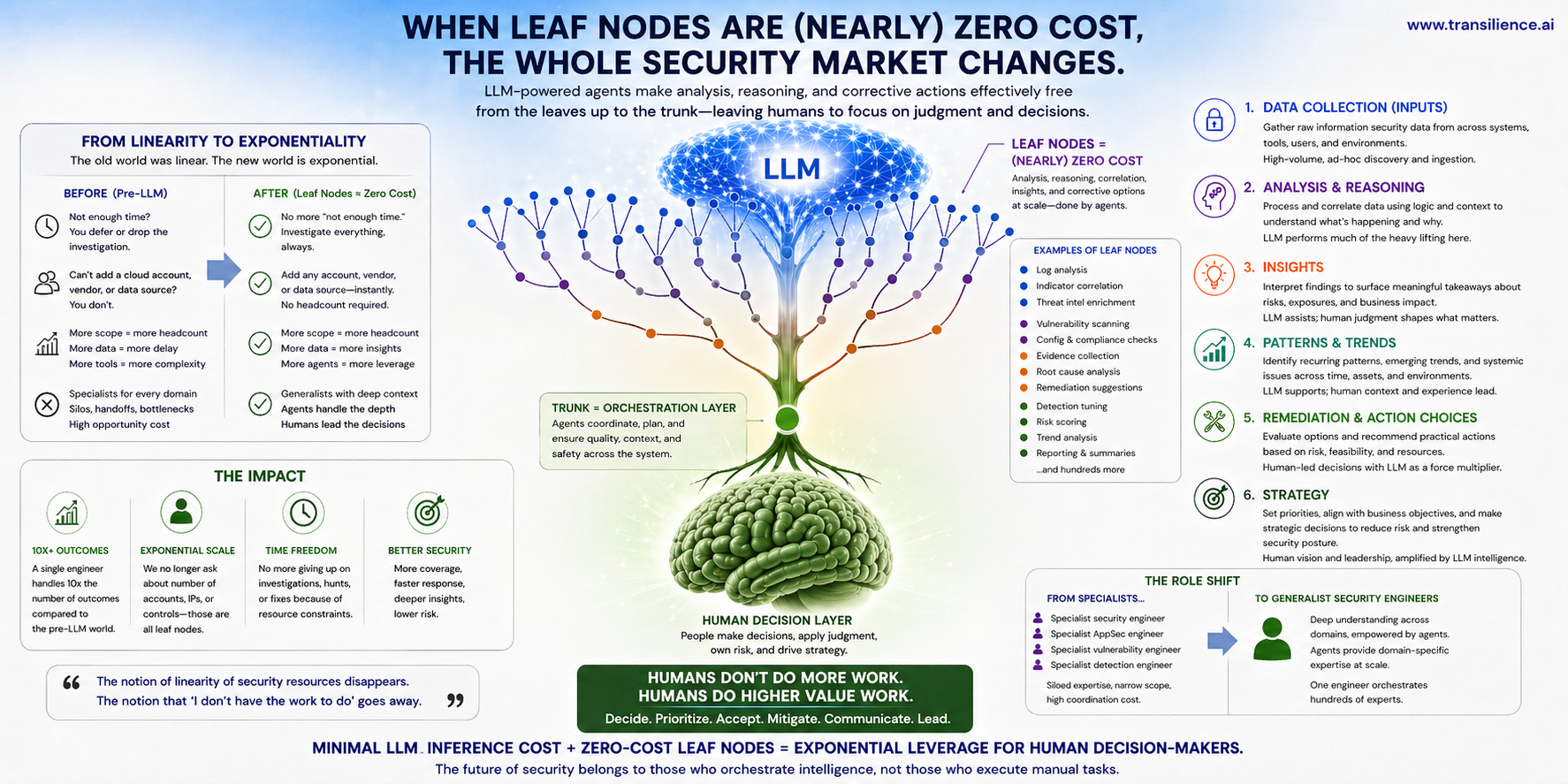
For years, most security products optimized for collection and visibility.
They got better at surfacing data, but not necessarily better at helping teams decide or execute.
The next generation has to be different.
If a product cannot help a team understand reality quickly, interrogate risk in plain language, and move engineering toward closure, it is still a tool, not an operating layer.
This is where three workflow characteristics matter most: See, Don't Search. Ask, Don't Dig. Partner, Don't Gatekeep.
1) See, Don't Search
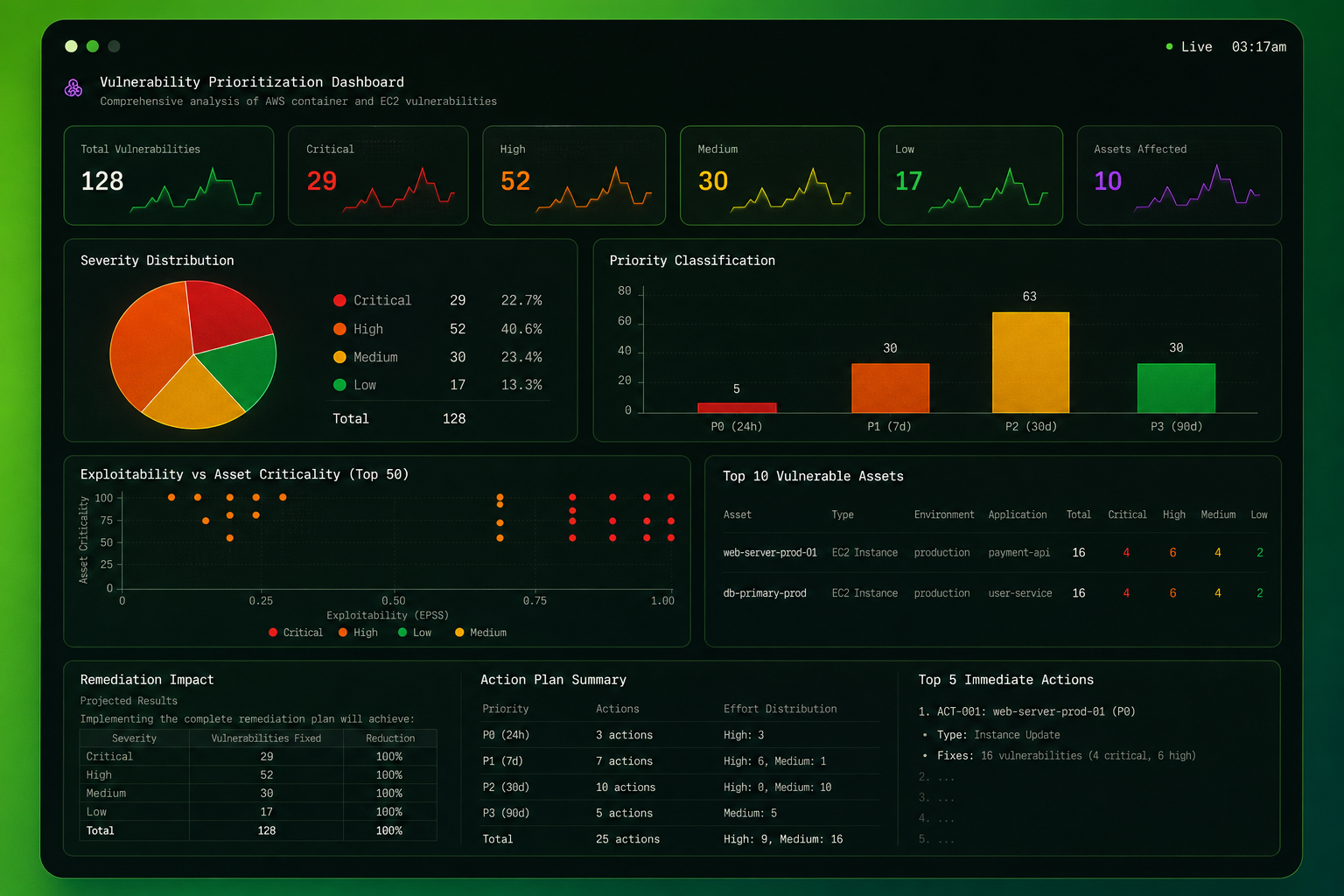
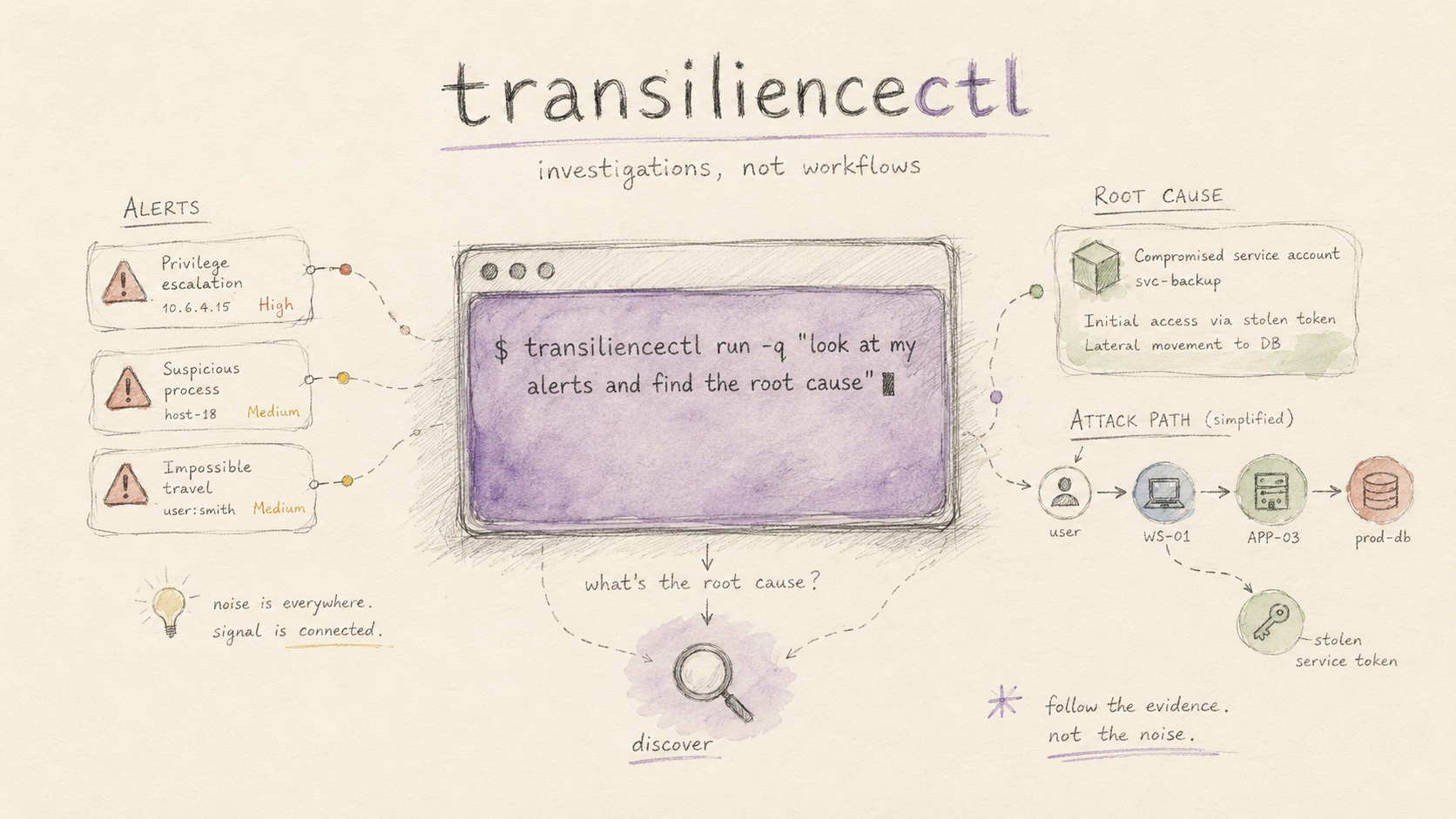
A next-generation security product should not force analysts to hunt through disconnected consoles to form a mental model.
It should collapse fragmented signals into one coherent operating picture where priority, blast radius, and action paths are visible immediately.
That means:
- correlated context by default, not by manual stitching
- priority based on exploitability and business impact, not raw alert volume
- continuous state, not point-in-time snapshots
The core characteristic here is cognitive compression. The product should reduce time-to-understanding from hours to minutes.
2) Ask, Don't Dig
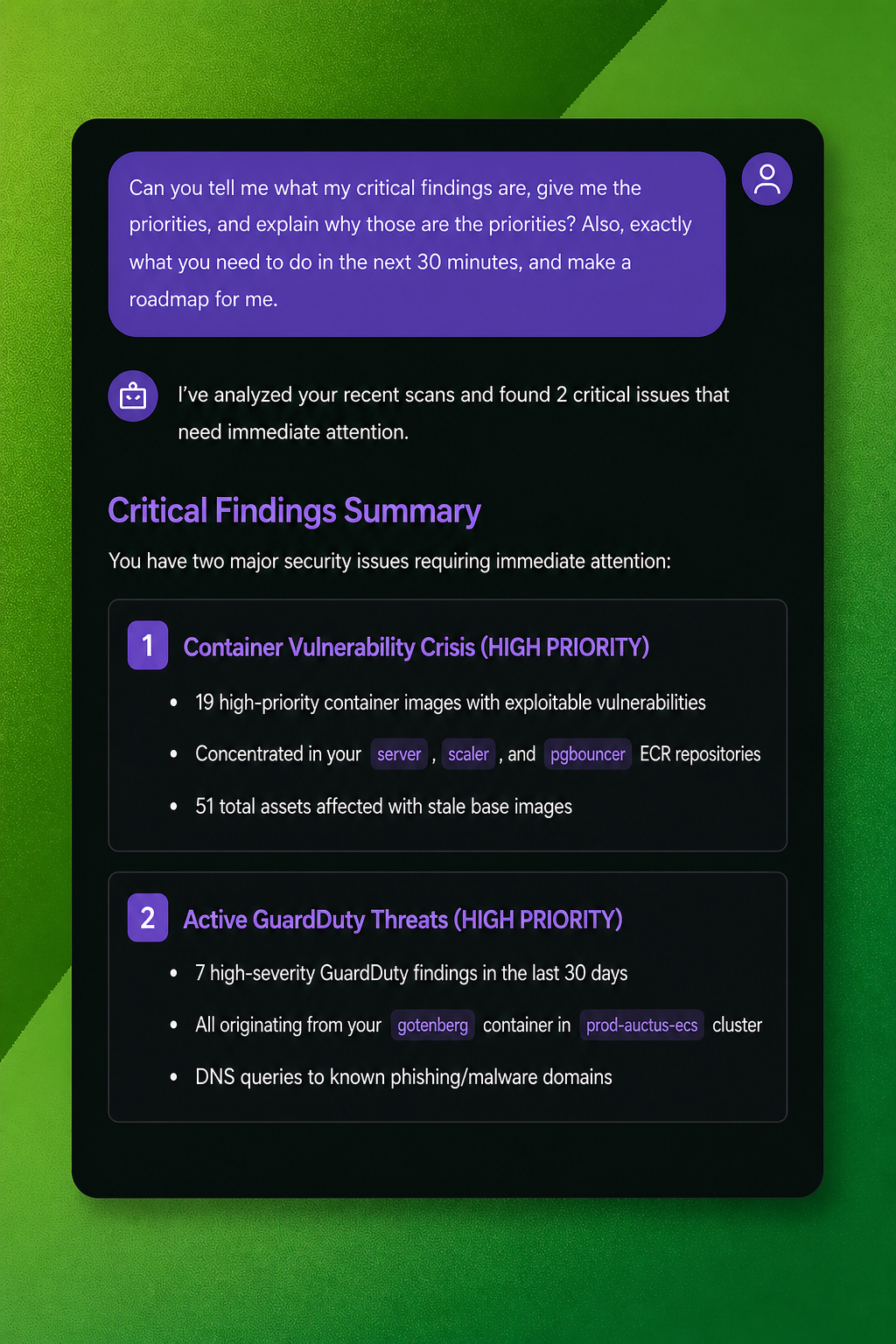
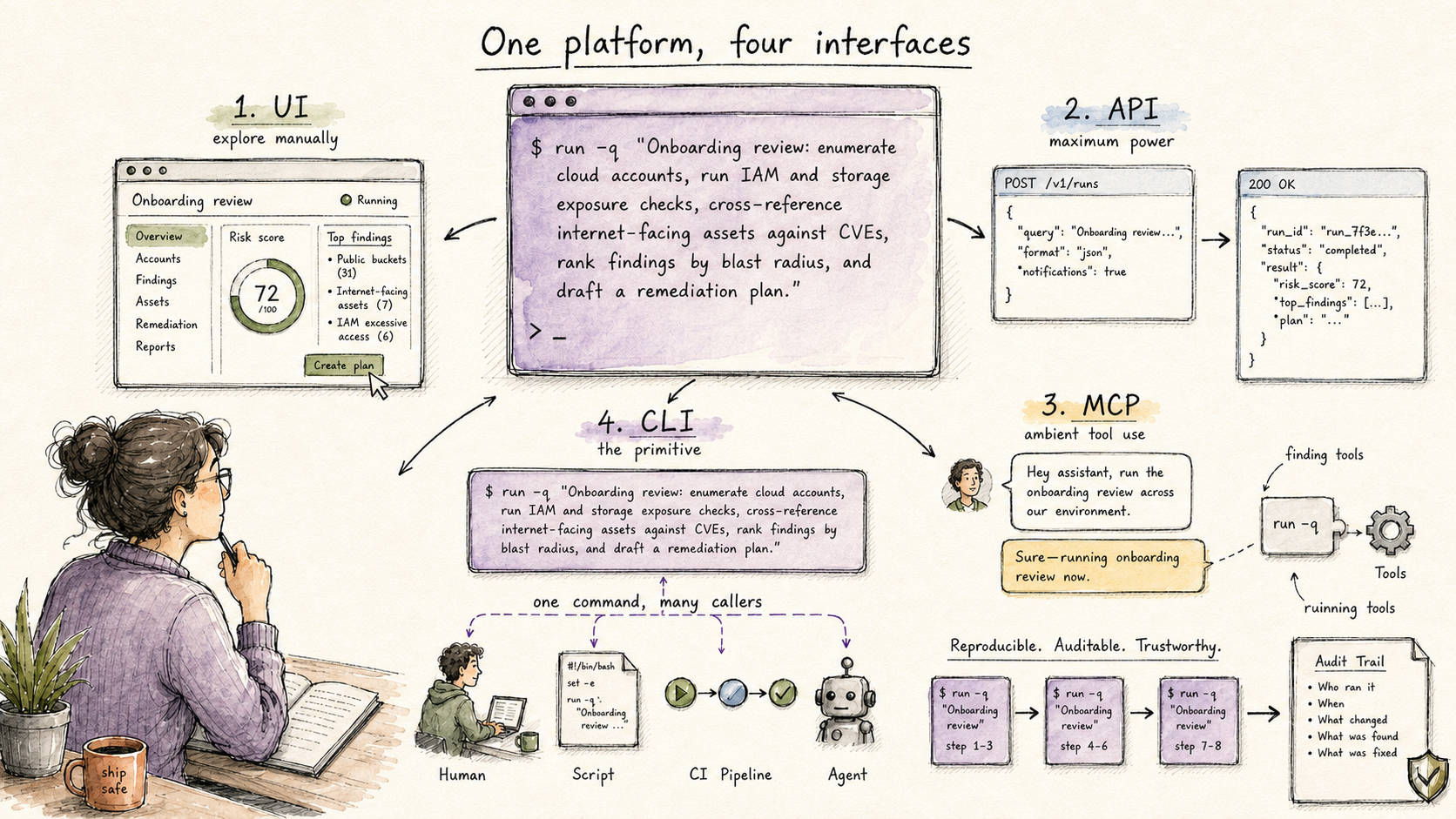
Next-generation security products should behave like reasoning systems, not query interfaces.
A security lead should be able to ask one complex question and receive:
- what matters right now
- why it matters
- what to do in the next 30 minutes
- what sequence to follow after that
This is not just a better chatbot. It is a product design principle: the interface should accept intent and return decision-grade output.
If teams still need to manually translate findings into action plans, the product is still too primitive.
3) Partner, Don't Gatekeep
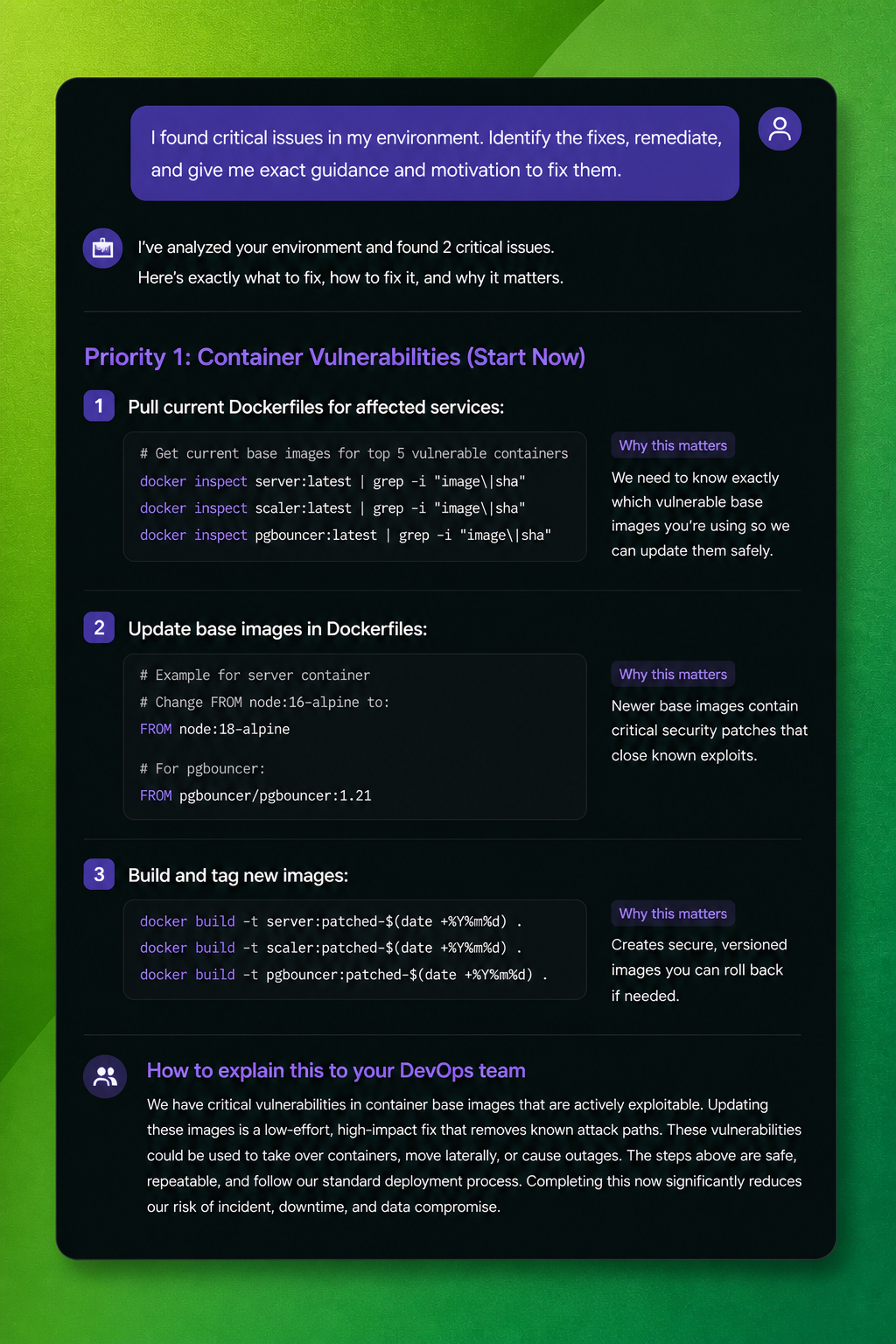
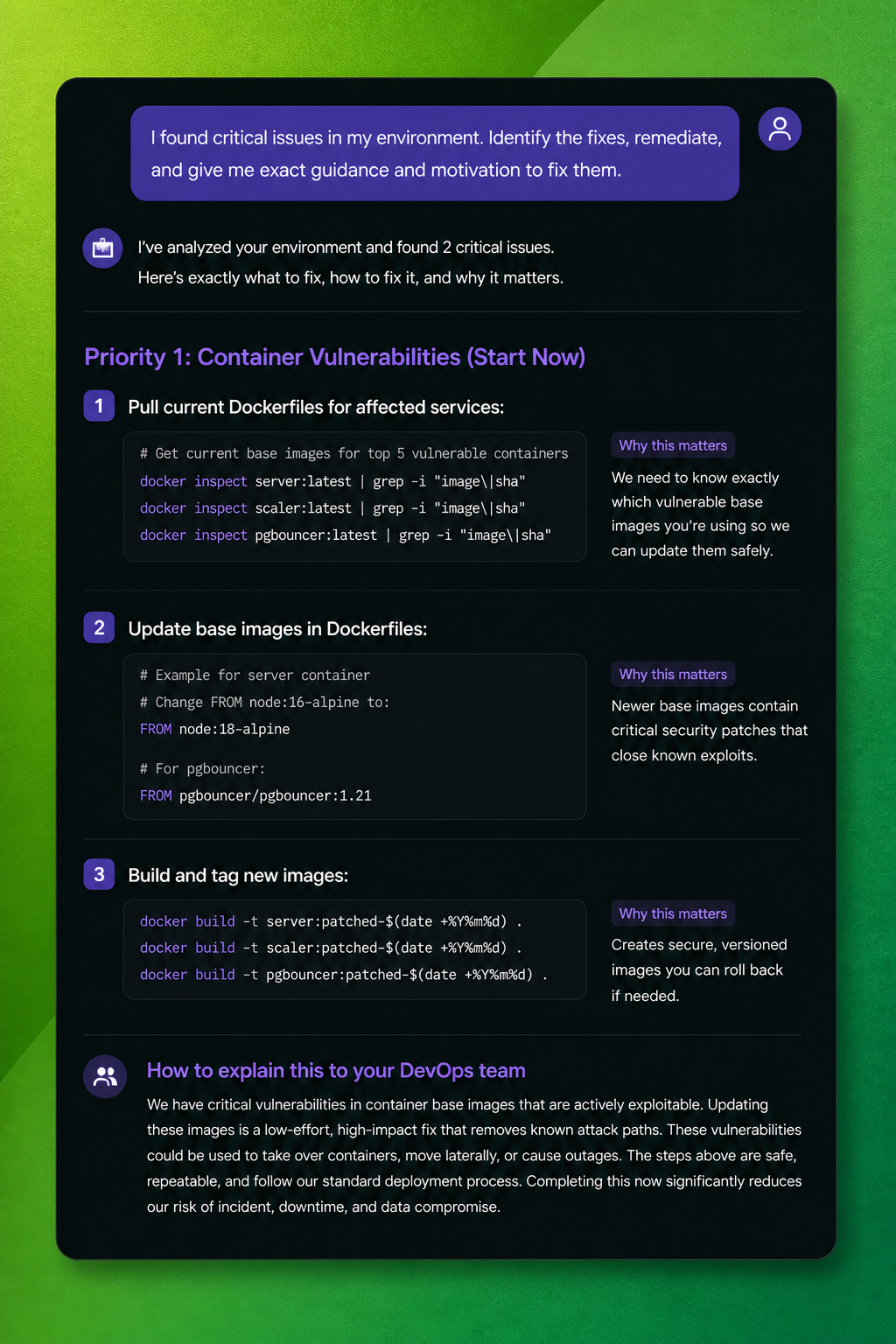
Security products used to end at "finding generated." Modern ones must continue through "fix understood and executable."
A next-generation platform should create artifacts developers can use immediately:
- clear root cause and exploit logic
- concrete remediation guidance
- ownership-ready context for tickets and handoffs
The result is a change in team dynamics. Security is no longer the team that blocks release velocity. It becomes the team that improves decision quality across engineering.
The Part 1 product test
If you are evaluating modern security products, ask three simple questions:
- Does this product help my team see truth fast, without context stitching?
- Can we ask high-level security questions and get operationally useful answers?
- Does output drive engineering action, not just security reporting?
If the answer is no to any one of these, the product may still be useful, but it is not yet next generation.